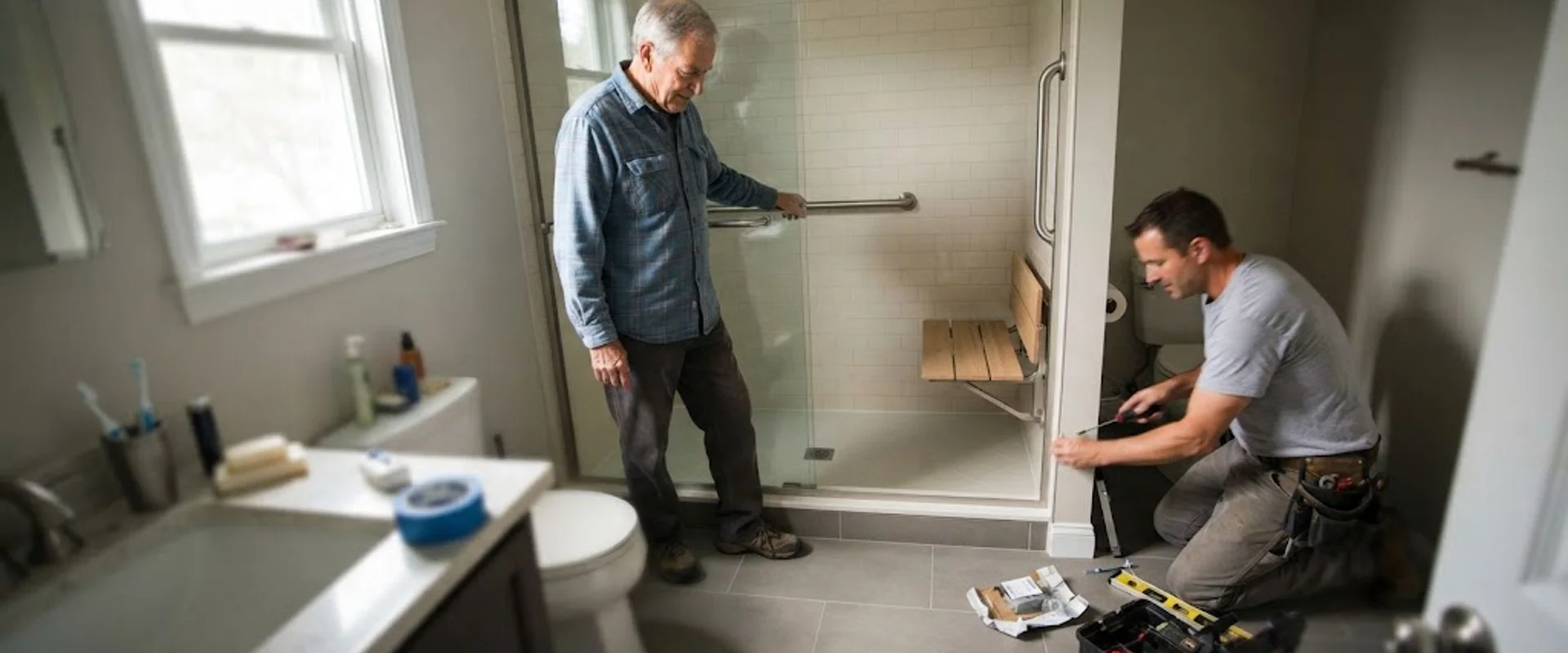
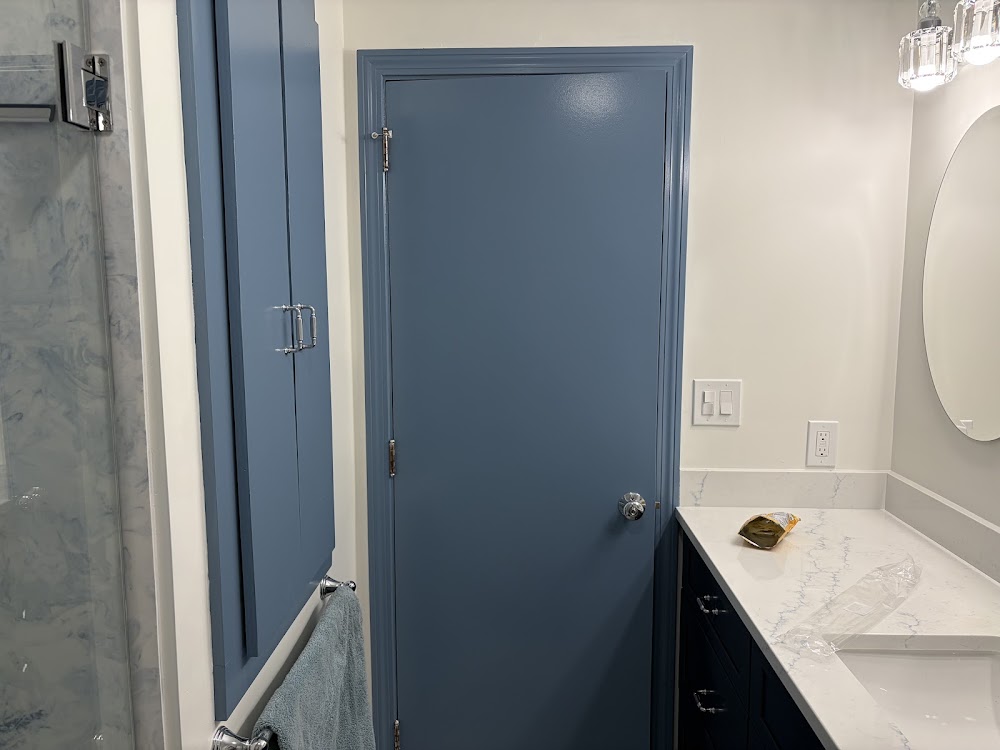
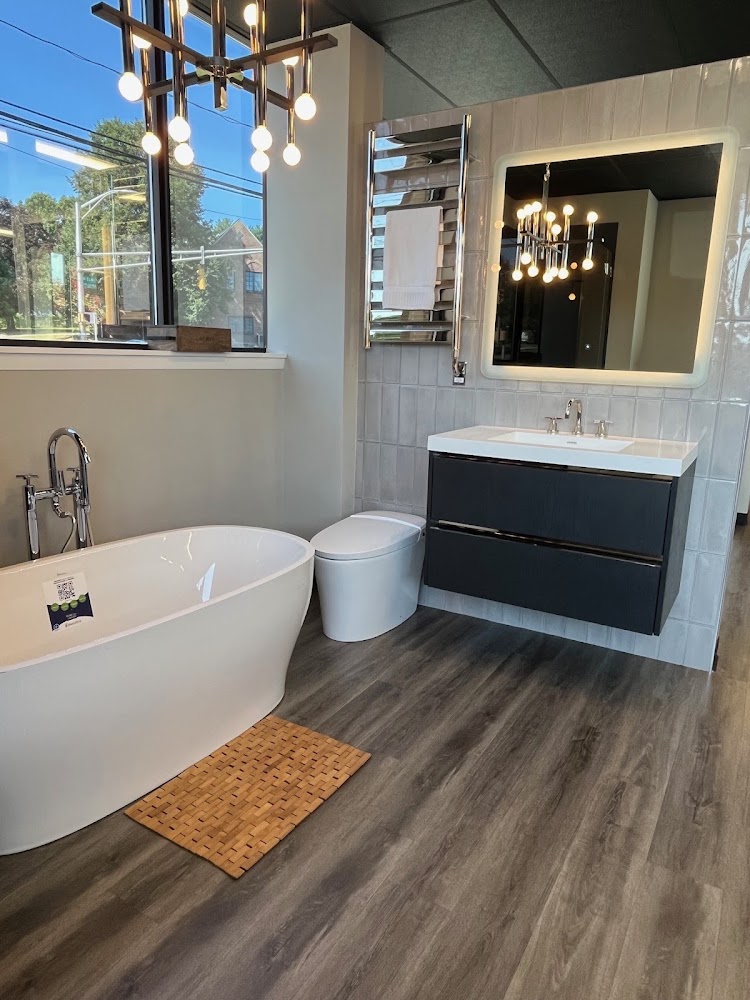
Accessible and aging-in-place remodeling covers the changes that let a bathroom work for people with limited mobility, vision loss, or a walker or wheelchair in the mix. That usually means tearing out a tub for a curbless or low-threshold shower, adding grab bars anchored into blocking (not just drywall anchors), widening a doorway to 32 or 36 inches clear, swapping a pedestal sink for one with knee clearance, installing comfort-height toilets, and putting down slip-resistant flooring. Some Waterbury homeowners are planning ahead for their own retirement in place, others are adapting a home for a parent moving in or a family member recovering from surgery or a stroke.
Waterbury's housing stock leans older, with plenty of Colonials and capes built decades before universal design was a common ask, so plumbing and framing often need real rework rather than cosmetic swaps. When you're comparing contractors, ask who pulls permits, whether they carry Connecticut Home Improvement Contractor registration, and whether their crew has hands-on experience with wet-room waterproofing and grab bar blocking, not just standard tub-to-shower conversions. A CAPS (Certified Aging-in-Place Specialist) credential is a useful signal but not the only one worth checking.
We've evaluated 8 businesses in this category on the range of accessibility work they actually perform, how they handle licensing and permits, and what past clients say about communication and follow-through. See the full breakdown and rankings in our Waterbury bathroom remodelers guide, and read how we score contractors on our methodology page.